

Step-By-Step Guide: How to Work with a Cargo Forwarding Company in the USA
Master the art of freight logistics by learning how to select, partner with, and manage a cargo forwarding company that drives your business success.
Navigating the complex world of freight logistics can be overwhelming, especially when shipping goods across states or international borders. A reliable cargo forwarding company serves as your strategic partner, handling the intricate details of transportation, customs clearance, documentation, and delivery coordination.
Whether you are an e-commerce business scaling operations, a manufacturer expanding distribution, or an importer bringing goods into the United States, understanding how to effectively work with a cargo forwarder is essential for supply chain success.
This comprehensive guide walks you through every step of the process, from initial research to building a long-term partnership that drives business growth.
What Is a Cargo Forwarding Company?
Understanding the role of freight forwarders in modern supply chains.
A cargo forwarding company, also known as a freight forwarder, acts as an intermediary between shippers and transportation services. They coordinate the movement of goods from origin to destination, leveraging their expertise, carrier relationships, and technology to optimize shipping efficiency.

Core Services Provided
-
Freight booking — Securing space on trucks, ships, planes, and rail carriers at competitive rates.
-
Documentation management — Preparing bills of lading, commercial invoices, packing lists, and customs paperwork.
-
Customs brokerage — Navigating import/export regulations and ensuring compliance with government requirements.
-
Cargo insurance — Arranging appropriate coverage to protect shipments against loss or damage.
-
Warehousing and distribution — Providing storage solutions and last-mile delivery coordination.
-
Supply chain consulting — Offering strategic guidance to optimize logistics operations and reduce costs.
Step 1: Define Your Shipping Requirements
Clarity on your needs leads to better quotes and stronger partnerships.
Before contacting potential cargo forwarders, clearly document your shipping needs to ensure productive conversations and accurate quotes.
Key Questions to Answer
-
What are you shipping? Document product types, dimensions, weights, and any special handling requirements such as temperature control, hazardous materials, or fragile goods.
-
Where are you shipping? Identify origin and destination locations, including any multi-stop requirements or distribution needs.
-
How often do you ship? Estimate weekly, monthly, or annual shipment volumes to help forwarders propose appropriate service levels.
-
What are your timing requirements? Define acceptable transit times, delivery windows, and any expedited shipping needs.
-
What is your budget? Establish cost parameters while remaining realistic about market rates for your requirements.
Documentation Checklist
Prepare the following information for discussions with potential forwarders:
-
Product specifications and classifications
-
Typical shipment sizes and frequencies
-
Current shipping lanes and volumes
-
Existing carrier relationships
-
Pain points with current logistics operations
-
Growth projections and future needs
Step 2: Research and Shortlist Potential Forwarders
Finding the right partner requires thorough research and due diligence.
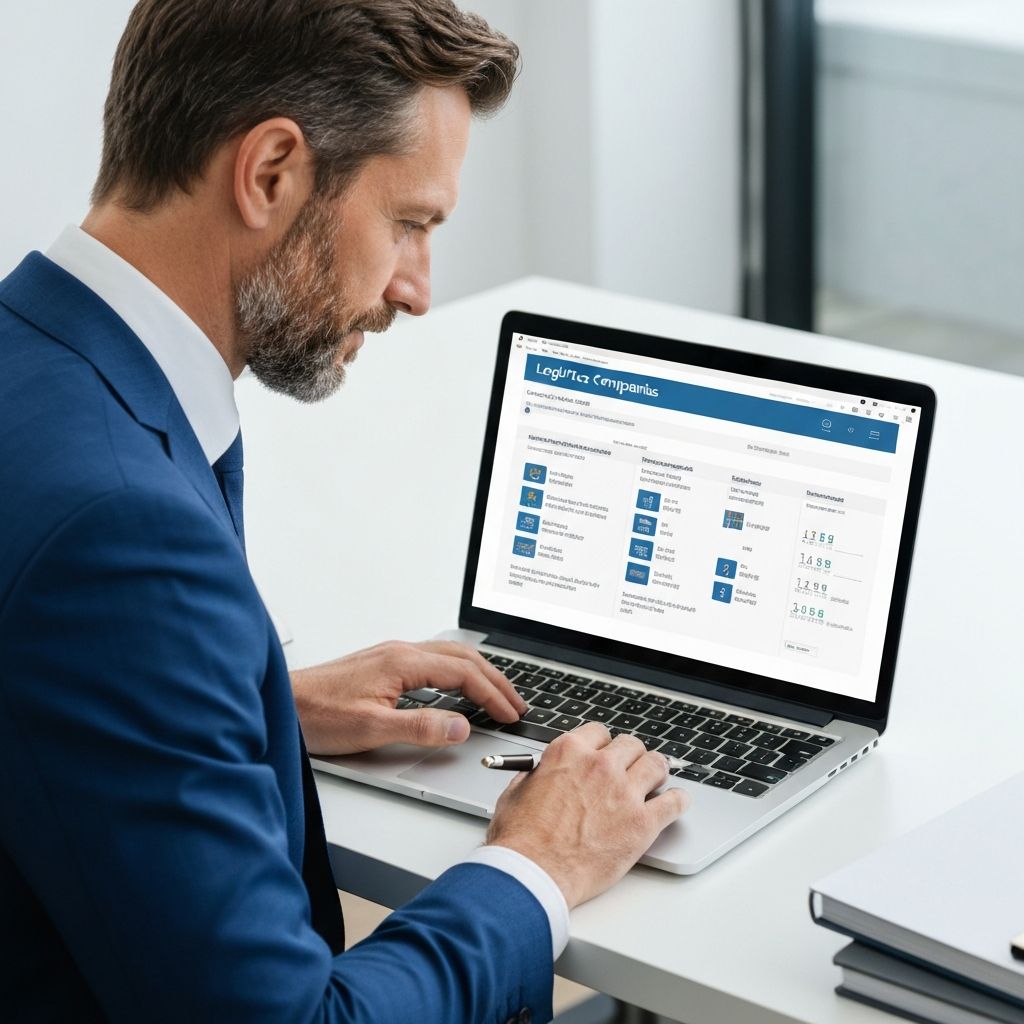
Not all cargo forwarding companies are created equal. Finding the right partner requires thorough research and due diligence.
Where to Find Reputable Forwarders
-
Industry associations — Organizations like the Transportation Intermediaries Association (TIA) and International Air Transport Association (IATA) maintain directories of certified members.
-
Trade publications — Logistics and supply chain publications often feature rankings and reviews of leading forwarders.
-
Peer referrals — Ask business partners, suppliers, and industry contacts for recommendations based on their experiences.
-
Online directories — Platforms like Freightos, FreightCenter, and industry-specific databases provide searchable forwarder listings.
Evaluation Criteria
When comparing potential partners, assess these critical factors:
-
Experience and specialization — Look for forwarders with proven expertise in your industry, product types, and shipping lanes.
-
Licensing and certifications — Verify FMC (Federal Maritime Commission) licensing for ocean freight and TSA certification for air cargo.
-
Technology capabilities — Evaluate their tracking systems, customer portals, and integration options with your business systems.
-
Financial stability — Request references and check credit ratings to ensure long-term viability.
-
Insurance coverage — Confirm adequate cargo and liability insurance to protect your shipments.
-
Customer service — Assess responsiveness, communication quality, and problem-resolution capabilities.
Step 3: Request and Compare Quotes
Getting detailed, comparable quotes is essential for making informed decisions.
Once you have shortlisted three to five potential forwarders, request detailed quotes for your specific shipping requirements.
What to Include in Your RFQ
-
Detailed shipment specifications
-
Origin and destination addresses
-
Required service levels and transit times
-
Any special handling or compliance requirements
-
Volume commitments or projections
-
Preferred payment terms
Understanding Quote Components
Freight quotes typically include multiple cost elements:
| Cost Component | Description | |----------------|-------------| | Base freight rate | Core transportation charge based on weight, dimensions, and distance | | Fuel surcharge | Variable charge tied to current fuel prices | | Accessorial fees | Additional services like liftgate, residential delivery, or inside pickup | | Customs duties and taxes | Government-imposed charges on imported goods | | Documentation fees | Charges for preparing and processing shipping paperwork | | Insurance premium | Cost of cargo insurance coverage |
Pro tip: Request all-inclusive quotes to avoid surprise charges, and ask for a detailed breakdown of each cost component.
Step 4: Verify Credentials and References
Due diligence protects your business and ensures a reliable partnership.
Before signing any agreements, conduct thorough due diligence on your top candidates.
Essential Verification Steps
-
Check licensing — Verify FMC and DOT registrations through official government databases.
-
Review insurance certificates — Request current certificates of insurance and confirm coverage limits meet your requirements.
-
Contact references — Speak with current clients about their experiences, focusing on communication, problem resolution, and reliability.
-
Research online reviews — Check Google Reviews, Better Business Bureau ratings, and industry forums for additional feedback.
-
Visit facilities — If possible, tour their offices and warehouses to assess operational capabilities and professionalism.
Red Flags to Watch For
-
Reluctance to provide references or documentation
-
Unusually low quotes that seem too good to be true
-
Poor communication or slow response times during the sales process
-
Lack of proper licensing or expired certifications
-
Negative patterns in online reviews or complaints
Step 5: Negotiate and Finalize Your Agreement
A well-structured contract protects both parties and sets clear expectations.
With your preferred forwarder selected, negotiate terms that protect your interests while building a foundation for a productive partnership.

Key Contract Elements
-
Service level agreements (SLAs) — Define performance expectations for transit times, communication response, and issue resolution.
-
Pricing structure — Establish rate validity periods, volume discount tiers, and fuel surcharge calculation methods.
-
Payment terms — Agree on invoicing frequency, payment deadlines, and any credit arrangements.
-
Liability provisions — Clarify responsibility for cargo damage, delays, and regulatory compliance.
-
Termination clauses — Define notice periods and conditions for ending the relationship.
-
Dispute resolution — Specify processes for addressing disagreements or claims.
Step 6: Onboard and Integrate Systems
A smooth onboarding process sets the stage for operational success.
Work closely with your forwarder to establish efficient workflows and system connections.
Onboarding Activities
-
Account setup — Provide business information, shipping addresses, and authorized contacts.
-
System integration — Connect your order management or ERP system with the forwarder's platform for automated booking and tracking.
-
Document templates — Establish standardized formats for commercial invoices, packing lists, and shipping instructions.
-
Communication protocols — Define escalation paths, reporting schedules, and primary points of contact.
-
Test shipments — Process initial shipments under close supervision to identify and resolve any issues.
Step 7: Manage the Ongoing Relationship
Long-term success requires continuous communication and performance optimization.
Building a successful long-term partnership requires ongoing communication, performance monitoring, and continuous improvement.

Best Practices for Partnership Success
-
Regular business reviews — Schedule quarterly meetings to review performance metrics, discuss challenges, and identify optimization opportunities.
-
Open communication — Maintain transparent dialogue about changing needs, market conditions, and service issues.
-
Performance tracking — Monitor key metrics including on-time delivery, damage rates, cost per shipment, and customer satisfaction.
-
Feedback loops — Provide constructive feedback and recognize exceptional performance to strengthen the relationship.
-
Strategic planning — Collaborate on long-term logistics strategy as your business evolves and grows.
Why Choose Portlandia Logistics as Your Cargo Forwarding Partner
15+ years of expertise delivering results for businesses across the USA.
Portlandia Logistics brings over 15 years of experience helping businesses navigate the complexities of domestic and international shipping. Our team of certified logistics professionals provides personalized service, competitive rates, and cutting-edge technology to optimize your supply chain.
Contact us at (502) 385-3399 or Connect@portlandialogistics.com for a free shipping consultation.
Frequently Asked Questions
What is the difference between a freight forwarder and a freight broker?
A freight broker connects shippers with carriers and earns a commission on the transaction but does not take possession of the cargo. A freight forwarder provides more comprehensive services, including documentation, customs brokerage, consolidation, and often assumes responsibility for the shipment throughout the transportation process. Forwarders typically offer more hands-on management and additional value-added services.
How much does it cost to use a cargo forwarding company?
Costs vary significantly based on shipment characteristics, distance, service level, and current market conditions. Domestic LTL shipments might range from $150 to $500, while full truckloads typically cost $1,500 to $5,000 depending on distance. International ocean freight can range from $1,000 to $10,000+ per container, and air freight often runs $4 to $8 per kilogram. Most forwarders provide free quotes based on your specific requirements.
How do I track my shipments when using a cargo forwarder?
Reputable cargo forwarders provide real-time tracking through online customer portals, mobile apps, or API integrations with your business systems. You should receive tracking numbers or references for each shipment and have access to status updates, location information, and estimated delivery times. Ask potential forwarders about their tracking capabilities during the evaluation process.
What happens if my shipment is damaged or lost?
Cargo forwarders typically carry insurance and have established claims processes for handling damage or loss. Document any visible damage at delivery, take photos, and notify your forwarder immediately. They will guide you through the claims process, which may involve filing claims with carriers, insurance companies, or both. Review your contract terms and the forwarder's liability provisions before shipping.
Can a cargo forwarder help with customs clearance for international shipments?
Yes, most cargo forwarders offer customs brokerage services or work with licensed customs brokers to handle import and export clearance. They prepare required documentation, calculate duties and taxes, ensure compliance with regulations, and coordinate with customs authorities on your behalf. This expertise is particularly valuable for businesses new to international trade or shipping to complex markets.
David Thompson
International Logistics Director
With over 15 years of experience in logistics and supply chain management, David brings deep industry expertise to help businesses optimize their freight operations.